Last updated 2026-07-09
TL;DR
A family home daycare license lets you legally care for children in your home for pay. You apply through your state licensing agency, pass a background check, a home inspection, and training requirements. Direct license fees run $0 to $200 in most states. All-in startup costs land closer to $150 to $600. The whole process takes 4 to 16 weeks depending on your state and inspection backlogs.
What is a family home daycare and who needs a license?
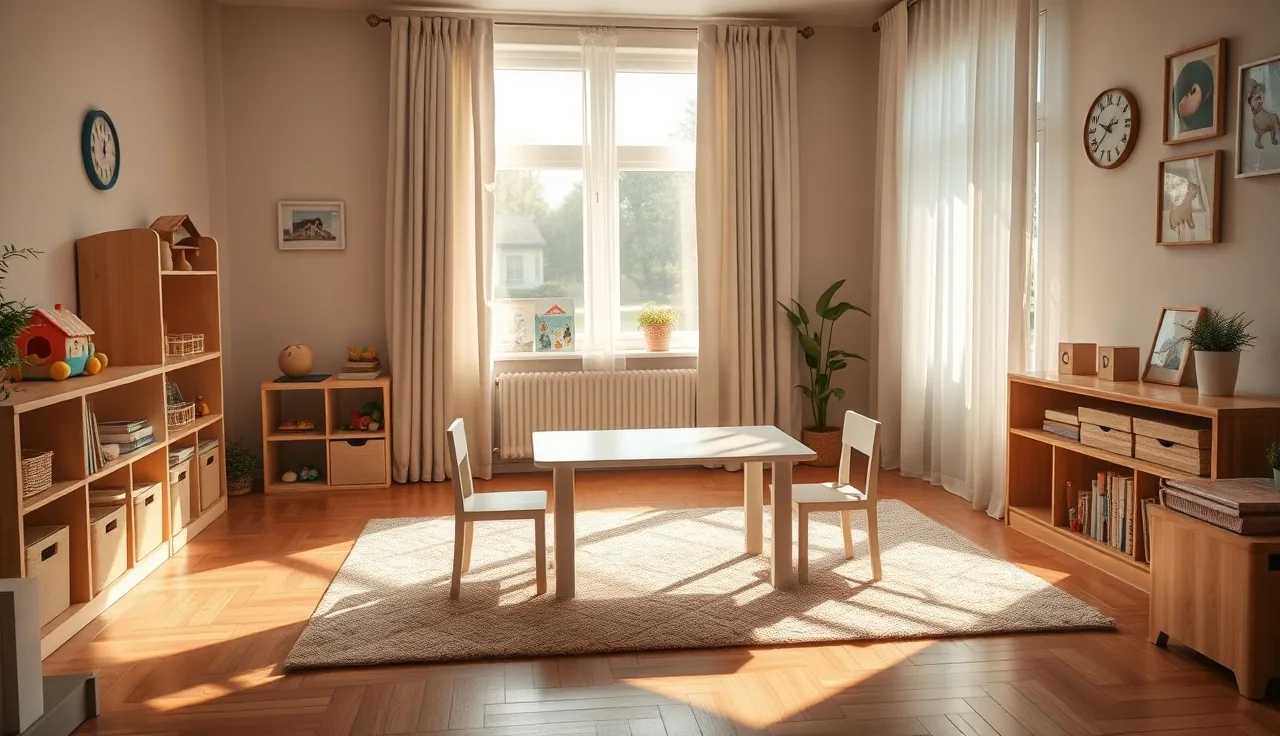
A family home daycare is a licensed child care setting where one provider (sometimes with one assistant) cares for a small group of children inside a private residence. The provider lives there. That's the line that separates it from a child care center, which runs out of a dedicated commercial building. You'll also see it called a family child care home or an in-home daycare. Same thing.
Every state requires a license or certificate before you take money to care for other people's children in your home. There's one common exception. Almost every state sets a minimum-number threshold below which you can operate "license-exempt," and those thresholds are all over the map. In some states you can watch one or two unrelated children with no license. In others, watching a single child for pay without a license breaks the law.
Check your state agency directly before you assume you're exempt. The National Database of Child Care Licensing Regulations, maintained by Child Care Aware of America, catalogs those thresholds state by state [1].
Two tiers cover most home operators.
Family child care home: usually 1 to 6 children, often including the provider's own kids. This is the most common home license.
Group family child care home: usually 7 to 12 children, and it almost always requires a second qualified adult on the premises. Some states call it a "large family child care home" or a "family child care group home."
Subsidies are the other reason licensing matters to your wallet. If you want parents with childcare assistance vouchers to be able to pay you, you have to be licensed or meet your state's CCDF standard for license-exempt providers [2]. Roughly 1.4 million children per month get CCDF assistance [2]. Shut yourself off from those families and you shrink your enrollment pool for no good reason.
What are the in-home daycare license requirements in most states?
Requirements aren't identical across all 50 states, but they cluster around the same categories. Here's what you'll face almost anywhere you live.
Background checks. You, every adult in the household, and any assistants have to pass a criminal history check. Most states now require both a state check and an FBI fingerprint check through the national system. Some also check the child abuse and neglect registry. Violent crimes, sexual offenses, and crimes against children are a hard bar in every state [3].
Pre-licensing training. Anywhere from 0 to 40-plus hours depending on the state. Topics usually cover child development, health and safety, first aid, and CPR. Some states take online training. Others want you in a classroom. A few, like California, use tiered systems that let you open sooner with fewer hours and finish the rest inside a set window.
CPR and first aid certification. Nearly universal. Pediatric CPR is usually the one you need, more than adult CPR. Confirm your certificate comes from an approved provider. The American Red Cross and American Heart Association are accepted everywhere. Some online-only certs are not.
A home inspection. A licensing inspector visits and checks fire safety, space, smoke and carbon monoxide detectors, locked-up hazardous materials, safe sleep setups for infants, fencing around outdoor play areas, and more. Some states also require a separate fire inspection from your local fire marshal.
Health requirements. A provider TB test, immunization records, sometimes a physical. Many states now want proof your own vaccinations are current.
Liability insurance. Not required in every state, but a growing number mandate it. Even where it's optional, running without it is a serious risk. See home daycare insurance for what policies actually cover and what they cost.
Application and fee. Fees run from $0 in a handful of states to around $200 for an initial license. Renewals usually cost less. Add up training, CPR, background checks, and the fee and most providers spend $150 to $600 to get licensed, though states with heavy training loads push that higher [1].
People underestimate one thing again and again: the gap between submitting your application and holding the license. Four to eight weeks is common. Twelve to sixteen weeks happens when inspection backlogs pile up or your paperwork has holes in it. Start early.
How to get a home daycare license: the step-by-step process
The sequence is roughly the same in every state even though the agencies and forms change. Here's the realistic order of operations.
Step 1: Find your state licensing agency. Child care licensing lives at the state level, usually inside a Department of Health and Human Services, a Department of Children and Families, or a Department of Social Services. Child Care Aware of America keeps a directory of state licensing agencies at childcareaware.org [4]. Your agency's site has the application packet, the fee schedule, and the current regulation text.
Step 2: Read the regulations before you do anything else. I mean it. Spend an hour with the actual rule text before you buy equipment, move furniture, or build a fence. Square footage per child, crib specs, fence height, and medicine storage are specific enough that buying before you read wastes real money. Every state publishes its licensing rules, usually as an administrative code.
Step 3: Attend a pre-licensing orientation. Many states require it or strongly push it. It's usually free and offered online now. The orientation walks you through the application, the inspection items people fail most, and subsidy enrollment if you want it.
Step 4: Submit your application and pay the fee. That packet includes the completed forms, background check consent for every adult in the household, proof of your pre-licensing training, CPR and first aid certificates, proof of insurance if your state requires it, and the fee.
Step 5: Schedule and pass your inspections. The agency schedules the home inspection. If your state runs a separate fire inspection, that one's on you to book with the fire marshal. Don't sit and wait. Ask how to get on the inspection schedule the moment your application is in.
Step 6: Receive your license. Once inspections pass and paperwork checks out, you get a license certificate with a capacity number (the most children you can have in care at once) and an expiration date. Hang it somewhere visible.
Step 7: Enroll in subsidy programs. Optional, but worth doing. To accept CCDF vouchers you apply separately through your state's Child Care Resource and Referral (CCR&R) network or your local social services office. It adds time, sometimes 4 to 8 weeks, so run it in parallel if you can.
ChildCareComp has a compliance toolkit with a documentation checklist for each step. It helps when you're prepping the space and filling out the application at the same time.
Keep copies of everything you submit. Agencies lose documents. It happens more than it should.
What does a home inspection actually check?
The inspection is where first-timers get caught off guard. Inspectors work from a checklist tied straight to your state's licensing regulations, and a handful of items trip people up over and over.
Indoor space. Most states require 35 square feet of usable indoor space per child. "Usable" usually cuts out hallways, bathrooms, and areas eaten up by large fixed furniture. Measure carefully.
Outdoor space. Many states require a fenced play area if you use the outdoors for care. Fence height, gate latches, and the gap between fence rails (which prevents head entrapment) all get specified.
Hazard storage. Cleaning products, medications, vitamins, and tools go into locked or child-inaccessible storage. Inspectors open cabinets. A $15 cabinet lock won't save you if the cabinet sits at child height and the latch is flimsy.
Smoke and CO detectors. Required on every level, usually inside and outside sleeping areas. Battery-only units may not meet code in your state. Some states want hardwired detectors with battery backup.
Safe sleep. Care for infants under 12 months and you need a crib or bassinet that meets current CPSC safety standards. Recalls matter here. A crib recalled years ago can still fail you [5]. Check the CPSC recall database before an infant sleeps in it.
Water temperature. Many states cap hot water at faucets kids use at 120 degrees Fahrenheit or lower to prevent scalding. An inspector will run the tap and check.
Pets. Some states require pets to be vaccinated and kept away from children during care hours. Others just want rabies vaccination records on hand.
For a cleaning and sanitation protocol that holds up under inspection, daycare cleaning covers the products, surfaces, and frequencies regulators look for.
Fail an item and the inspector writes it up as a deficiency. Most states give you a correction period, often 30 days, to fix minor items. Serious hazards (exposed wiring, missing smoke detectors, an unsafe crib) can hold up your license until you fix them and pass a re-inspection.
What are the caregiver-to-child ratios for a family home daycare?
Ratios are set by state regulation, and they vary more than most people expect. For a one-provider family home daycare, the most common total capacity is 6 children, with tighter limits on how many infants or toddlers can be in that group.
Here's the common pattern. Treat it as illustrative, not a universal rule.
| Age group | Max in the group | Notes |
|---|---|---|
| Infants (0-18 mo) | 2 | Often capped at 2 of the total group |
| Toddlers (18 mo-3 yr) | 3-4 | Counts toward the overall cap |
| Mixed ages | 6 total | Provider's own kids under school age often count |
Infant limits are tighter for a reason. Infants need more hands-on care, can't tell you when something's wrong, and face the highest risk when supervision slips. The American Academy of Pediatrics recommends an infant-to-caregiver ratio no higher than 3:1 in any setting, with 2:1 preferred for children under 12 months [6].
Some states raise your capacity when you have a qualified assistant. A group family home license with two providers present might allow up to 12 children. If you're thinking about hiring, know this: in many states an assistant has to clear their own training and background check before they can count toward ratio coverage.
Your own children under school age almost always count against your capacity in the state's math, though the details differ. A provider with two kids under 5 might really be limited to 4 licensed slots, not 6. Confirm this with your licensing worker before you write a business plan around 6.
Ratios set your revenue ceiling. Your maximum licensed capacity is the hard limit on how much you can earn. For how that plays out in dollars, daycare cost breaks it down.
How much does a family home daycare license cost?
The license fee itself is cheap in most states. The real cost is everything you have to buy and complete to qualify for it.
| Cost item | Typical range |
|---|---|
| State application/license fee | $0 to $200 |
| FBI fingerprint check | $23 to $50 per adult |
| State background check | $0 to $45 |
| Pre-licensing training | $0 to $300 |
| Pediatric CPR/first aid cert | $30 to $100 |
| Home modifications (smoke detectors, cabinet locks, fence, etc.) | $50 to $2,000+ |
| Liability insurance (annual premium) | $300 to $1,500/year |
Child Care Aware of America's 2024 child care landscape report found that the average weekly price parents pay for family home daycare runs from $143 in rural areas to over $300 in urban markets [4]. That's the income side of the equation. Your license is the gate that lets you into that market legally.
New providers underestimate home modifications more than anything else. An attached garage with an unlocked door into the living space, a basement with exposed utilities, no fence in the backyard: those fixes add up fast. Budget $500 minimum for physical prep. Budget $1,500 if your home needs real work.
Some states hand out small grants or subsidies to help new family child care providers cover startup costs. CCDF has a quality improvement provision states can spend this way, and some states pass money to new providers through their CCR&R networks [2]. Ask your state agency straight out whether startup grants exist. Most people never ask.
How does ongoing compliance work after you're licensed?
Getting licensed happens once. Staying licensed never stops. Here's what ongoing compliance looks like day to day.
Renewal. Most states license for one or two years. Renewal means updated background checks (timing varies), proof of continuing education hours, a fresh CPR or first aid cert if yours expired, and a renewal fee.
Unannounced inspections. Your agency can inspect any time during your care hours with no warning. Frequency varies. Some states inspect every licensed home annually, others only on complaint or at random. Treat every day like inspection day and you'll never be caught out.
Continuing education. Most states require 12 to 24 hours a year for licensed family home providers. Some name specific topics like infant safe sleep, mandatory reporting, or first aid. Log every hour and keep the certificates. Inspectors ask for them.
Incident reporting. A serious injury to a child in care, a child who goes missing, or a death has to be reported to your agency right away. The window is usually 24 hours, and many states require an immediate phone call. Failing to report is a separate violation from the incident itself.
Record keeping. You keep enrollment records, emergency contacts, immunization records for children in care, medication authorization forms, daily attendance logs, and fire drill logs. Most states require these on-site and available during inspections.
Mandatory reporter status. Licensed family home providers are mandatory reporters of suspected child abuse and neglect in every state. You don't wait until you're certain. Reasonable suspicion is the standard. Report to your state's child abuse hotline.
Take subsidy-funded children and you add a layer: subsidy audits. States periodically check attendance records against billing. Billing for days a child wasn't there is fraud, and it gets prosecuted. For a hard look at how these cases unravel and what the consequences are, minnesota daycare fraud lays it out.
Revisit your daycare liability insurance at every renewal. Coverage limits that were fine when you opened may fall short once you've grown capacity.
What happens if you operate without a license?
Running a paid home daycare without the required license is illegal in every state. The penalties are real, and they range from daily fines to criminal charges.
Civil fines usually run $50 to $500 per day of unlicensed operation, though some states set higher caps. California can assess fines of $200 per day for unlicensed operation under California Health and Safety Code Section 1596.890 [7]. Run a month at that rate and you're looking at $6,000 in fines before a single legal fee.
Criminal charges are on the table in many states, especially if a child gets hurt in an unlicensed home. Prosecutors typically charge the provider with operating an unlicensed facility and stack on more charges depending on what happened.
The insurance angle is the one that ruins people. Standard homeowner's and renter's policies almost never cover business use of a residence. A child gets injured in an unlicensed home, the carrier denies the claim, and the provider is personally on the hook for whatever follows.
Parents get burned too. They sometimes use an unlicensed provider without knowing it, then find out their childcare subsidy is void, because subsidies only pay licensed or specifically approved providers. Everybody in the arrangement loses.
The short version: getting licensed is worth doing as more than a compliance box. It's basic protection for you, your home, and the families who trust you with their kids.
How do family home daycare rules differ from state to state?
There's no federal family home daycare license. Each state writes its own rules. The federal role runs mainly through CCDF, which sets minimum standards states have to meet to get block grant money, but those minimums are a floor, not a full playbook [2].
Here's how some key requirements move across states, based on published licensing regulations [1][3].
| Requirement | Variation range |
|---|---|
| License-exempt threshold | 1 child (some states) to 6 children (others) |
| Pre-licensing training hours | 0 hours to 40+ hours |
| Maximum capacity (1 provider) | 4 to 8 children |
| Background check scope | State only to state + FBI |
| Renewal period | 1 year to 3 years |
| Application fee | $0 (some states) to $200 |
States that tend to run stricter family home daycare rules include California, New York, Illinois, and Massachusetts. Lighter requirements tend to show up in the South and Mountain West. That's a generalization, though, and specific rules can surprise you in either direction.
One federal requirement applies directly no matter where you live. Take any CCDF-funded child and your state has to run a criminal background check through the national criminal history system (FBI fingerprints) for you and all staff. That came from the Child Care and Development Block Grant Act reauthorization of 2014, which made FBI checks a condition of federal funding [3].
The safest move is to pull your state's current rules from your agency's website and read them yourself. Rules change. What a neighbor told you three years ago may be wrong today.
What training and qualifications do family home daycare providers need?
Training splits into two buckets: pre-licensing (what you need before you open) and ongoing (what keeps your license active).
Pre-licensing training almost always covers:
- Child development basics
- Health and safety in child care
- Pediatric CPR and first aid
- Infant safe sleep practices
- Recognizing and reporting child abuse
- Nutrition (sometimes)
- Business practices (sometimes)
A few states, Oregon and Colorado among them, have moved toward a quality rating and improvement system (QRIS) tied to provider credentials. Higher credential levels open up higher subsidy reimbursement rates. A Child Development Associate (CDA) credential, which takes roughly 120 hours of coursework plus demonstrated experience, can raise your income per child in states with QRIS-linked reimbursement [8].
The CDA comes from the Council for Professional Recognition and is the most widely recognized credential in family child care [8]. It's not required for a basic family home daycare license in most states, but it signals quality to parents and may let you charge more privately.
Ongoing training, usually 12 to 24 hours a year, gets tracked through your state's professional development registry. Most states run a free online registry where you log your hours and inspectors can verify them. Build the habit of uploading each certificate the day you finish a training.
First aid and pediatric CPR usually expire every 2 years. Put the renewal on your calendar early. Classes fill up, and letting a cert lapse creates both a compliance problem and a real gap in how ready you are for an emergency.
How do you set up your home to pass inspection and actually run well?
There's a gap between a home that barely passes inspection and one genuinely set up to give good care safely and without daily chaos. Here are the setup calls that matter most.
Dedicate a space. Even if you're working out of your living room and kitchen, decide (on paper and in practice) which spaces are for child care during care hours. It makes space and hazard compliance easier, and it makes cleaning and inspecting easier too.
Infant sleep area. Care for infants and you need a firm, flat sleep surface in a separate or semi-separate spot away from the noise. That's both a licensing requirement and a SIDS reduction measure. The AAP's safe sleep guidance, which most state rules mirror, puts infants on their backs on a firm, flat surface with no loose bedding [6].
Child-height perspective. Get on your hands and knees and scan every room from a kid's eye level. Outlets, dangling cords, reachable cabinet contents, sharp furniture corners, small choking hazards. Inspectors think this way. So should you.
Outdoor play. If you have yard space and plan to use it for care, fence it before you apply. Fence height requirements usually land at 4 to 6 feet, and gates have to be self-closing and self-latching. This one delays a lot of applicants.
Documentation station. Set up a binder or folder (or a shared drive if you're comfortable with tech) holding your license, enrollment forms, emergency contacts, immunization records, medication authorization forms, and your daily attendance log. Keep it current. Inspectors flip right through it.
Sanitation supplies. Sanitizing solution, soap, disposable gloves, and diaper-changing supplies all need to be within your reach but locked away from children. See daycare cleaning for dilution ratios and surface protocols that match licensing expectations.
For the business side, including tracking income and expenses for taxes, the IRS has specific guidance for home-based child care providers covering the home office deduction and the daycare facility deduction under IRS Publication 587 [9].
Is family home daycare a financially viable business?
For a lot of providers, yes. The model has real advantages: no commercial lease, low overhead, and the ability to earn while caring for your own kids.
Here's the realistic revenue math for a single-provider home. Six children at an average weekly rate of $200 (well below the national average for full-time care) brings in $1,200 a week, or roughly $57,600 a year before expenses [4]. Rates swing hard by market. In metro areas, family home daycare rates for infants can top $400 a week.
The National Association for the Education of Young Children (NAEYC) has documented that child care costs have risen sharply since 2020, which pushes more parents toward family home daycare as a cheaper alternative to center care [11]. That's a genuine opening for new providers.
Costs that eat into your net:
- Food (the USDA Child and Adult Care Food Program, CACFP, reimburses meal costs for qualifying providers and is worth applying for [10])
- Supplies and curriculum materials
- Insurance
- Training and credentialing
- Substitute or assistant costs
- A slice of your home utilities and mortgage or rent (deductible under IRS rules [9])
CACFP is one of the most underused benefits available to home providers. It reimburses you for meals and snacks you serve to children in care, at tiered rates based on household income. As USDA puts it on its CACFP page, "Family day care homes that participate in CACFP receive reimbursements for meals and snacks served to enrolled children" [10]. You apply through your state agency or a sponsoring organization.
For a wider look at what parents pay and how rates compare across care types, daycare cost breaks the numbers down by state and setting.
ChildCareComp's compliance toolkit includes a startup budget template and a CACFP application checklist if you want a structured way to run those numbers.
Frequently asked questions
How long does it take to get a family home daycare license?
Most providers get licensed within 4 to 12 weeks of submitting a complete application. The biggest variable is inspection scheduling. Some states have backlogs that push timelines to 16 weeks or more. Submitting an incomplete application, missing documents, or failing your initial home inspection adds time. Start the process at least 2 to 3 months before you want to open.
How many children can I watch in a family home daycare?
For a single-provider family home daycare, most states allow a maximum of 6 children, including your own kids under school age. Some states allow 4, some allow 8. Most states also limit how many infants or toddlers can be in that group. A group family home license with a second qualified adult can typically serve up to 12 children. Check your state's specific regulation.
Do I need a license to watch one or two kids in my home for pay?
It depends entirely on your state. Some states exempt you if you care for only 1 or 2 unrelated children. Others require a license even for one paid child. A handful count only unrelated children; others count all children including your own. Never assume you're exempt. Check with your state licensing agency before accepting any payment.
Can I get a family home daycare license if I have a criminal record?
It depends on the offense. Convictions for violent crimes, sexual offenses, crimes against children, and certain drug offenses are disqualifying in every state. Many other offenses get reviewed case by case, weighing how long ago the offense happened, evidence of rehabilitation, and the nature of the crime. Apply and let the agency decide rather than counting yourself out before you try.
What is the difference between a licensed and license-exempt home daycare?
A licensed provider applied to the state agency, met all training, background check, and inspection requirements, and holds an official license certificate with a stated capacity. A license-exempt provider falls below the state's minimum threshold for required licensing, usually caring for very few children. License-exempt providers often can't accept CCDF subsidy payments and get no ongoing oversight visits.
Does my homeowner's insurance cover a home daycare?
Standard homeowner's insurance explicitly excludes business activities, including child care, in most policies. If a child is injured in your care and you have no separate childcare liability policy, your homeowner's carrier will very likely deny the claim. You need either a home daycare endorsement added to your homeowner's policy or a standalone family child care liability policy. Some states require proof of coverage before issuing a license.
What is the CACFP and can family home daycare providers use it?
The Child and Adult Care Food Program (CACFP) is a USDA program that reimburses licensed family home daycare providers for meals and snacks they serve to enrolled children. Rates are tiered: Tier 1 homes (lower-income providers or providers in lower-income areas) get higher reimbursement. You apply through a sponsoring organization or your state agency. It's one of the most concrete financial benefits available to home providers.
How do I find my state's family home daycare licensing requirements?
Go straight to your state's licensing agency. Child Care Aware of America keeps a directory of all 50 state licensing agencies at childcareaware.org. Your agency's website has the current application packet, fee schedule, regulation text, and often a pre-licensing orientation you can complete online. Regulation text is almost always published as part of your state's administrative code.
Do family home daycare providers have to follow vaccination requirements for children?
Most states require licensed family home daycare providers to obtain and keep on file current immunization records for each enrolled child. Some states allow a religious or medical exemption; you may still have to document that an exemption was filed. Some states require providers to notify parents of any enrolled child whose immunization status is incomplete or exempt.
What ongoing training is required after I get my license?
Most states require 12 to 24 hours of continuing education per year for licensed family home providers. Required topics vary but often include first aid and CPR renewal (usually every 2 years), infant safe sleep, and mandatory reporting. Training is typically tracked through a state professional development registry. Check your state's regulation for the specific hour requirement and any mandatory topics.
Can I deduct home daycare expenses on my taxes?
Yes. The IRS lets family home daycare providers deduct a portion of home expenses (mortgage interest, utilities, repairs) based on the percentage of time and space used for daycare under IRS Publication 587. You can also deduct supplies, food, training costs, and insurance. The calculation uses a time-space percentage formula specific to daycare businesses. A tax professional familiar with home-based child care can maximize your deductions legally.
What records do I have to keep as a licensed family home daycare provider?
Required records typically include enrollment agreements with emergency contacts, children's immunization records, signed medication authorization forms, daily attendance logs, fire drill logs, proof of your CPR and first aid certification, and your license certificate. Most states require these on-site and available during any inspection. Many states also specify how long you keep records after a child's enrollment ends, usually 2 to 3 years.
What's the difference between a family home daycare and a group home daycare?
A family home daycare typically lets one provider care for up to 6 children (state limits vary) from the provider's residence. A group family home daycare, sometimes called a large family child care home, allows a higher capacity, usually 7 to 12 children, but requires a second qualified adult on-premises during care hours. The group home license carries additional training and inspection requirements in most states.
Sources
- Child Care Aware of America, National Database of Child Care Licensing Regulations: License-exempt thresholds, application fees ($0-$200 in most states), and pre-licensing training hour requirements vary by state across the 50-state database.
- U.S. Department of Health and Human Services, Office of Child Care, CCDF Program: Approximately 1.4 million children per month receive CCDF assistance; licensed or state-approved providers are required to accept subsidy vouchers.
- Child Care and Development Block Grant Act of 2014, Public Law 113-186: The 2014 CCDBG reauthorization requires FBI national criminal history background checks for all providers receiving federal CCDF-funded children as a condition of funding.
- Child Care Aware of America, Child Care Landscape 2024 Report: Average weekly cost for family home daycare ranges from $143 in rural areas to over $300 per week in urban markets according to the 2024 landscape report.
- U.S. Consumer Product Safety Commission, Recall Search: Recalled cribs remain a common inspection failure point; inspectors verify cribs against CPSC safety standards and current recall status.
- American Academy of Pediatrics, Safe Sleep Recommendations: The AAP recommends infant-to-caregiver ratios no greater than 3:1 and states infants should be placed on their backs on a firm, flat surface with no loose bedding.
- California Health and Safety Code Section 1596.890, California Legislative Information: California may assess fines of $200 per day for operating an unlicensed child care facility under Health and Safety Code Section 1596.890.
- Council for Professional Recognition, Child Development Associate (CDA) Credential: The CDA credential requires approximately 120 hours of coursework plus demonstrated experience and is the most widely recognized early childhood credential in family child care.
- IRS Publication 587, Business Use of Your Home (Including Use by Daycare Providers): Family home daycare providers may deduct a portion of home expenses using a time-space percentage formula and deduct food, supplies, training, and insurance costs.
- USDA Food and Nutrition Service, Child and Adult Care Food Program (CACFP): USDA CACFP states: 'Family day care homes that participate in CACFP receive reimbursements for meals and snacks served to enrolled children,' at tiered rates by provider income.
- National Association for the Education of Young Children (NAEYC), Child Care Cost Analysis: NAEYC has documented sharp increases in child care costs since 2020, increasing demand for family home daycare as a more affordable alternative to center-based care.