Animal Bite and Scratch Procedures in Childcare
TL;DR
- Health and safety compliance is one of the most heavily inspected areas in childcare licensing.
- Proper documentation of incidents, medications, and health records is required at all times.
- Staff must be trained in CPR, first aid, and facility-specific safety protocols.
- Non-compliance with health and safety standards can result in immediate corrective action requirements.
Overview
First aid, reporting, documentation, and follow-up requirements for animal incidents in childcare. Health and safety requirements form the backbone of childcare licensing. Every licensing inspection includes a thorough review of your health and safety practices, from how you store medications to how you handle injuries to how you manage illness exclusion policies.
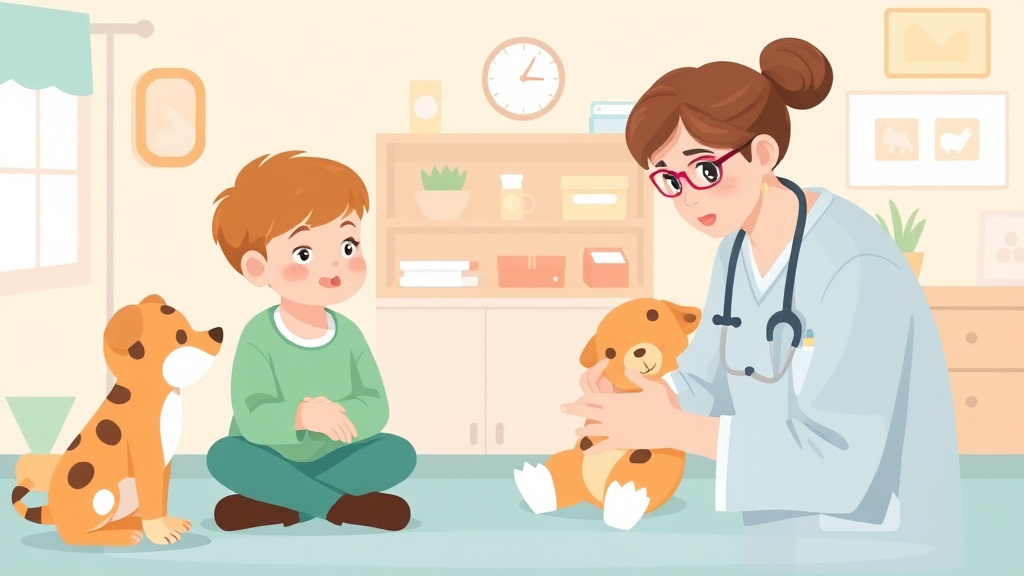
These requirements exist because children, especially infants and toddlers, are vulnerable. They put things in their mouths, they fall, they get sick, and they depend on adults to keep their environment safe. Your job as a childcare provider is to create and maintain systems that protect children consistently, not just when an inspector is watching.
Health and safety violations are also the category most likely to trigger serious consequences. While a missing document might result in a minor citation, a supervision lapse or an unsecured medication cabinet can result in immediate corrective action, fines, or temporary suspension. The stakes are higher in this category because the risks to children are more direct.
Key Health and Safety Requirements
| Category | Requirement | Documentation Needed |
|---|---|---|
| Immunizations | Current records for every child | State immunization form on file |
| Health assessments | Physical exam within 30 days of enrollment | Signed physician form |
| Medication administration | Written parent authorization required | Medication log with every dose recorded |
| Incident/injury reports | Documented within 24 hours | Signed by staff member and parent |
| Illness exclusion | Written policy, consistent enforcement | Exclusion and return criteria documented |
| CPR/First aid | At least one certified staff always present | Current certificates on file for each staff |
| Emergency contacts | Two contacts for every child | Updated at least annually |
| Allergy action plans | Written plan for each child with allergies | Signed by physician, posted in room and kitchen |
Medication Administration
Administering medication in childcare requires careful protocols. You need written authorization from the parent for every medication, including over-the-counter products like sunscreen, insect repellent, and diaper cream. The authorization must include the child's name, the medication name, the dosage, the route of administration, the times to give it, start and end dates, and the parent's signature.
Every dose must be logged with the date, time, dosage given, and the name of the staff member who administered it. Medications must be stored in a locked container that is out of children's reach. Refrigerated medications must be in a separate locked container inside the refrigerator, not mixed with food items.
Never administer medication without current written authorization. Never give a medication that has expired. Never give a different dosage than what is authorized. Never give medication prescribed for one child to another child. These are common violations that can have serious consequences for both the child and your license. When in doubt, contact the parent before administering any medication.
Only trained staff should administer medications. Document which staff members are authorized to administer medications and ensure they have received training on proper procedures, including reading labels, measuring dosages, and recording each administration.
Injury Reporting and Prevention
When a child is injured in your care, you must document the incident in an injury report. The report should include the child's name, the date and time of the incident, a description of what happened, what injuries were observed, what first aid was provided, who was supervising at the time, and what action was taken to prevent recurrence. The parent must be notified immediately for any head injury, bite that breaks the skin, or injury requiring medical attention, and within a reasonable time for minor injuries.
Both the reporting staff member and the parent should sign the incident report. Keep a copy in the child's file and give a copy to the parent. Some states require that certain types of injuries be reported to the licensing agency within a set timeframe. Know your state's reporting requirements and follow them without exception.
If a pattern of injuries emerges, whether with a specific child, a specific area of the facility, or a specific time of day, investigate and address the root cause. Patterns may indicate a supervision gap, a facility hazard, or a behavioral issue that needs attention. Document your investigation and the corrective steps you take.
Illness Exclusion Policies
Your center must have a written illness exclusion policy that specifies when a child must stay home or be sent home. Common exclusion criteria include fever of 100.4 degrees F or higher, vomiting, diarrhea (two or more loose stools), contagious rashes, pink eye with discharge, and certain communicable diseases such as chickenpox, measles, and strep throat.
The policy must also specify when the child can return, typically 24 hours after symptoms resolve without medication, or with a physician's note for certain conditions. Apply the policy consistently to every child, every time. Making exceptions, even for parents who pressure you, undermines the policy and puts other children at risk.
When a child becomes ill during the day, isolate them from the other children in a comfortable, supervised area. Contact the parent immediately for pickup. Document the symptoms, the time the parent was called, and the time the child was picked up. Clean and sanitize the areas where the ill child spent time.
Emergency Preparedness
Every childcare center must have written emergency plans covering fire, severe weather, lockdown, medical emergencies, and natural disasters. These plans must be posted in every room, practiced regularly, and documented. Fire drills are required monthly in most states. Severe weather drills are typically required quarterly or twice yearly.
Keep emergency supplies accessible, including first aid kits in every classroom and outdoor area, emergency contact binders, flashlights, a battery-powered radio, and a supply of drinking water and non-perishable food. First aid kits must be stocked and checked monthly. Expired supplies must be replaced immediately. Keep a checklist inside each kit and check it during your monthly review.
Train all staff on emergency procedures at orientation and at least annually thereafter. Every staff member should know the evacuation routes, the shelter-in-place location, where the first aid kits are, and how to access emergency contacts. Practice each type of drill so that it becomes routine. The goal is for everyone, including children, to respond calmly and efficiently during an actual emergency.
For more on emergency planning, see Childcare Emergency Procedures.
Staff Training for Health and Safety Compliance
Health and safety compliance depends on every staff member understanding and following proper procedures. Training should not be limited to orientation. Build ongoing training into your regular schedule through staff meetings, in-service days, and refresher sessions throughout the year.
Cover the most common violation areas in your training: handwashing procedures (the full 20-second method with soap and water), diapering sanitation protocols (clean, disinfect, wash hands), medication administration procedures (verify authorization, check dosage, log every administration), and supervision requirements (line-of-sight, active engagement, transition coverage).
Use real scenarios from your center in training sessions. Review recent incident reports and discuss what went well and what could improve. Share anonymized violation data from your state licensing agency and ask staff to identify how the same violations could be prevented at your center. Practical, relevant training is more effective than abstract lectures.
Document all training sessions with the date, topics covered, duration, trainer name, and signatures of attendees. This documentation serves dual purposes: it meets your continuing education requirements, and it provides evidence to inspectors that your staff are trained on the specific health and safety protocols they are expected to follow.
Consider designating health and safety champions in each classroom. These staff members take ownership of specific compliance areas in their room: checking first aid kits, monitoring handwashing, verifying that cleaning supplies are secured, and ensuring that health records for children in their room are current. Distributed responsibility prevents any single person from becoming a bottleneck.
ChildCareComp tracks training completions for every staff member, sends reminders when continuing education hours are due, and provides a central record of all training activities. This makes it easy to demonstrate to inspectors that your team is well-trained and current on all required topics.
Why Tracking Compliance Manually Fails
Many childcare directors try to manage compliance with spreadsheets, paper checklists, and calendar reminders. This works when your center is small and your team is stable. But as you grow, add staff, enroll more children, and deal with turnover, manual tracking breaks down. A forgotten renewal here, a missed training deadline there, and suddenly you are walking into an inspection with gaps you did not know existed.
The problem with manual tracking is that it depends on one person remembering everything. When that person is sick, on vacation, or simply overwhelmed with the daily demands of running a childcare center, compliance tasks get missed.
A written, organized reference solves a different part of this problem: it removes the need to research and re-derive your state's requirements from scratch. ChildCareComp's $79 one-time Daycare Licensing Startup Pack gives you your state's requirements, your inspection prep checklist, and your staff credential tracking templates in one document, so the information exists somewhere other than one person's memory. An optional $29/mo (or $199/yr) Compliance Membership keeps that document current as your state's rules change.
The cost of a violation, in fines, extra inspections, or lost enrollment, is unpredictable and can be significant, though it varies by state and severity. A $79 one-time pack, or $29/mo if you add the membership to keep it current, is a small, predictable cost by comparison.
Related Articles
- Emergency Procedures Required for Childcare Centers
- Blood-Borne Pathogen Procedures for Childcare Centers
- Infection Control Procedures for Childcare Centers
Mental Health and Social-Emotional Safety
Health and safety in childcare extends beyond physical safety. Children's mental health and social-emotional well-being are increasingly recognized in licensing standards and quality frameworks. Many states now require that childcare programs have policies addressing social-emotional development, behavior guidance, and responses to challenging behaviors.
Licensing regulations in most states prohibit specific discipline practices including corporal punishment, humiliation, withholding food, and isolation (excluding brief supervised cool-down periods). Your discipline and behavior guidance policy must specify the positive approaches your center uses and the practices that are prohibited.
Staff training on social-emotional development, positive behavior support, and trauma-informed care is required in many states as part of annual training hours. This training helps staff understand that challenging behavior often communicates an unmet need and equips them with strategies for responding constructively rather than punitively.
When children display persistent challenging behaviors, document your observations and the strategies you have tried. Communicate with parents about what you are seeing and work together on a plan. If the behavior suggests a need for professional evaluation, help the family connect with appropriate resources. Document all of this in the child's file, as it demonstrates your center's commitment to supporting every child's well-being.
Creating a Safety Committee
Many successful childcare centers establish a safety committee that meets regularly to review incidents, identify hazards, update policies, and plan safety improvements. While not required in all states, a safety committee demonstrates a systematic approach to health and safety that inspectors and accreditors view favorably.
A typical safety committee includes the director or assistant director, a representative from each age group or classroom, the person responsible for facility maintenance, and optionally a parent representative. The committee meets monthly or quarterly to review all incident reports from the period, conduct a facility safety walkthrough, discuss any near-misses or concerns raised by staff, review and update health and safety policies as needed, and plan upcoming safety training or drills.
Document your safety committee meetings with agendas and minutes. Record the date, attendees, topics discussed, decisions made, and action items assigned. This documentation creates a paper trail showing that your center proactively addresses safety rather than just reacting to problems.
Safety committees also improve staff engagement with health and safety practices. When staff participate in identifying and solving safety problems, they take more ownership of compliance in their daily work. This bottom-up approach to safety is more sustainable than top-down directives alone.
Handling Bloodborne Pathogens and Universal Precautions
Childcare workers regularly encounter situations involving blood and bodily fluids: nosebleeds, diaper changes, toileting accidents, scraped knees, and biting incidents. Universal precautions, the practice of treating all blood and bodily fluids as potentially infectious, must be standard practice in every childcare center.
Staff must have access to disposable gloves in every room and outdoor area. Gloves must be worn when contact with blood or bodily fluids is anticipated: during first aid, diaper changes, handling soiled clothing, and cleaning up spills of blood, vomit, or other fluids. After removing gloves, hands must be washed immediately with soap and running water.
Contaminated surfaces must be cleaned and then disinfected with an EPA-registered disinfectant or a bleach solution of appropriate concentration. Contaminated materials (gloves, gauze, wipes) should be placed in a plastic bag, sealed, and disposed of properly. Soiled clothing should be bagged separately and sent home with the parent without being rinsed or laundered at the center.
Annual training on bloodborne pathogen procedures is required in many states and is best practice everywhere. Training should include hands-on practice with glove use, proper cleanup procedures, and what to do if a staff member has an exposure incident (splash to eyes, mouth, or broken skin). Keep exposure incident reports on file and follow your state's reporting requirements.
Additional Resources
These related guides may help you address connected compliance areas:
- Medication Administration Rules for Childcare in Missouri
- Maximum Group Size Requirements in Childcare Centers
- Childcare Immunization Requirements in Montana
- Staff Vaccination Requirements for Childcare Workers
Try our free tools
Frequently Asked Questions
How should I handle animal bite and scratch procedures in childcare?
First aid, reporting, documentation, and follow-up requirements for animal incidents in childcare are important. Health and safety requirements form the backbone of childcare licensing, and every licensing inspection includes a thorough review of your practices for handling injuries and managing illness exclusion policies.
What are the protocols for administering medication in childcare?
Administering medication in childcare requires careful protocols. You need written authorization from the parent for every medication, including over-the-counter products like sunscreen, insect repellent, and diaper cream. The authorization must include the child's name, the medication name, the dosage, the route of administration, the times to give it, start and end dates, and the parent's signature.
How should I handle injury reporting and prevention in childcare?
When a child is injured in your care, you must document the incident in an injury report. The report should include the child's name, the date and time of the incident, a description of what happened, what injuries were observed, what first aid was provided, who was supervising at the time, and what action was taken to prevent recurrence. The parent must be notified immediately for any head injury.
How long should a child stay home after an animal bite at daycare?
Children who receive an animal bite at daycare should stay home until the wound is no longer draining, the child is fever-free, and they have been cleared by their pediatrician to return.
What are the emergency preparedness requirements for childcare centers?
Every childcare center must have written emergency plans covering fire, severe weather, lockdown, medical emergencies, and natural disasters. These plans must be posted in every room, practiced regularly, and documented. Fire drills are required monthly in most states, and severe weather drills are typically required quarterly or twice yearly. Centers must also keep emergency supplies accessible, including first aid kits and emergency contact information.
How should I train staff on health and safety compliance in childcare?
Health and safety compliance depends on every staff member understanding and following proper procedures. Training should not be limited to orientation. Build ongoing training into your regular schedule through staff meetings, in-service days, and refresher sessions throughout the year. Cover the most common violation areas in your training, such as handwashing procedures, safe sleep practices, and proper food handling.
Why Tracking Compliance Manually Fails?
Many childcare directors try to manage compliance with spreadsheets, paper checklists, and calendar reminders. This works when your center is small and your team is stable. But as you grow, add staff, enroll more children, and deal with turnover, manual tracking breaks down.