Emergency Evacuation Route Requirements for Childcare
TL;DR
- Childcare facility requirements cover building standards, maintenance, safety equipment, and environmental conditions.
- State licensing agencies inspect facility conditions during every visit.
- Regular maintenance and documented inspections prevent violations.
- ChildCareComp's Startup Pack includes facility compliance requirements specific to your state.
Why Facility Standards Matter in Childcare
Posted routes, accessible exits, rally points, and drill procedures for childcare evacuation planning. Facility standards are a core part of childcare licensing in every state. Inspectors check physical conditions during every visit, and facility-related violations are among the most common citations nationwide. A facility that looks fine to a casual observer may have dozens of compliance issues that a trained inspector will spot immediately.
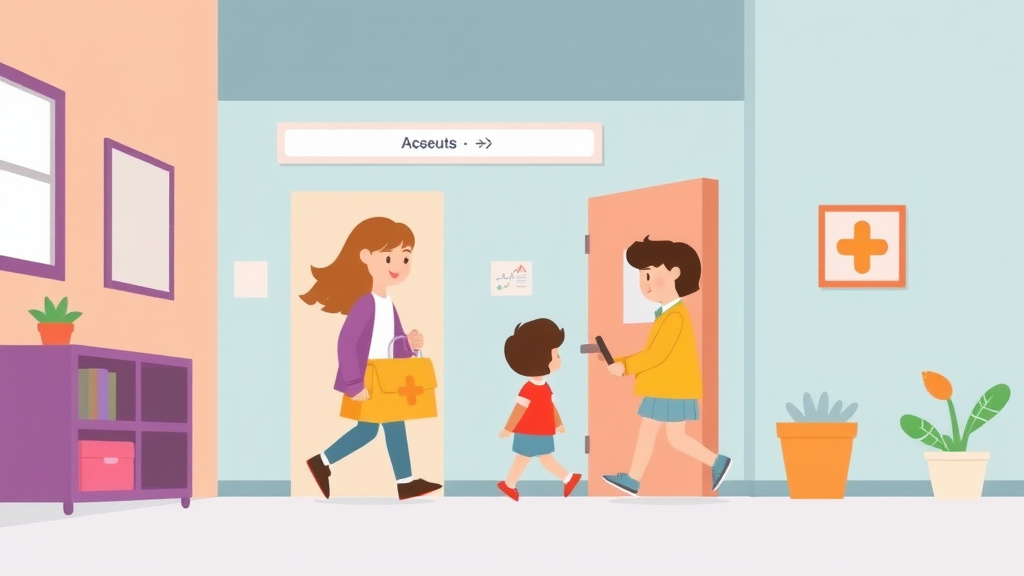
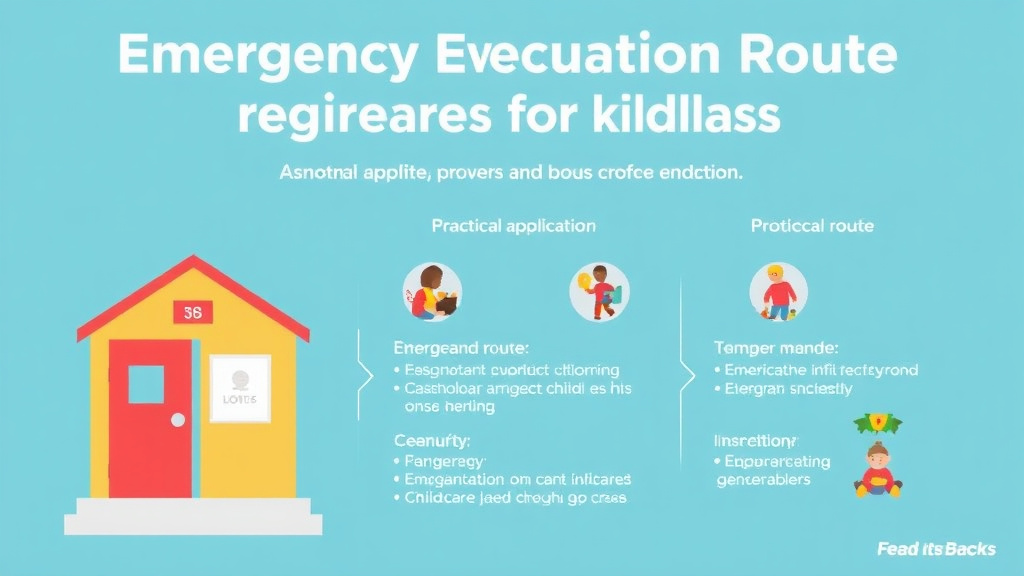
The standards exist because children spend long hours in your facility. Every surface, every piece of equipment, every system in the building has to work properly to keep children safe. When something falls below standard, it creates risk, and inspectors are trained to spot these issues quickly. Children are also more vulnerable to environmental hazards than adults because of their smaller size, developing immune systems, and tendency to explore with their mouths and hands.
Staying on top of facility requirements takes consistent effort. It is not enough to fix things when an inspection is coming. You need regular maintenance schedules, documented checks, and a system for tracking issues and repairs. The centers that handle inspections well are the ones that treat facility maintenance as a daily priority, not a periodic chore.
For more on what inspectors check, see What Childcare Inspectors Look For During Visits.
Key Requirements
| Area | Requirement | Inspection Focus |
|---|---|---|
| Indoor space | 35 to 50 sq ft per child minimum | Measured, verified against licensed capacity |
| Outdoor space | 50 to 100 sq ft per child minimum | Fencing, surfacing, equipment condition |
| Temperature | 68 to 75 degrees F indoors | Thermometer visible, comfortable range maintained |
| Lighting | Adequate natural and artificial light | All areas well-lit, no dark corners or recesses |
| Water temperature | Not to exceed 120 degrees F | Tested at accessible faucets during inspection |
| Emergency exits | Clearly marked, unobstructed | All exits accessible, signs illuminated |
| Smoke detectors | Working on every level | Tested, batteries current, documented |
| Fire extinguishers | Mounted, inspected annually | Current inspection tag, accessible location |
| Chemical storage | Locked, out of children's reach | All cleaning products, medications secured |
Daily, Weekly, and Monthly Maintenance
The best way to stay compliant is to build maintenance into your routine at multiple levels. Daily walkthroughs catch obvious hazards: a soap dispenser that is empty, a light bulb that is burned out, a gate latch that is not closing properly. Weekly checks cover deeper cleaning, sanitation verification, and equipment inspections. Monthly reviews address fire safety equipment, playground conditions, and system maintenance.
Create a maintenance checklist for each level. Post the daily checklist in each room and have the opening staff member complete it before children arrive. Keep the weekly and monthly checklists in a binder at the front desk and assign specific staff members to specific tasks. When everyone knows their responsibilities, nothing falls through the cracks.
Document everything. Inspectors want to see logs showing that you regularly check and maintain your facility. A cleaning schedule posted in the kitchen, a playground inspection log, a fire drill record, and a maintenance request tracker all demonstrate that you take facility management seriously. These logs are not busy work. They are evidence that your facility is maintained to standard.
When you find an issue, document it, fix it, and document the fix. If a repair takes time (waiting for a part, scheduling a contractor), document the interim safety measures you put in place. This creates a paper trail that shows inspectors you are proactive about facility safety, even when repairs are not immediate.
Common Facility Violations
Facility violations are cited at childcare centers across the country every day. The most common ones include cleaning supplies accessible to children, damaged or recalled equipment, missing or expired fire extinguisher inspections, non-functioning smoke detectors, inadequate playground surfacing, standing water in outdoor areas, water temperature exceeding 120 degrees F, and missing or broken outlet covers.
Many of these violations are simple to fix but easy to overlook in a busy childcare environment. A staff member grabs a cleaning spray and sets it on a counter instead of locking it away. A playground inspector notices that wood chip surfacing has thinned out under the swings. A smoke detector battery dies and nobody notices for a week. A child pulls an outlet cover off and it does not get replaced the same day.
The solution is systems. Assign specific staff to specific checks. Use checklists. Make facility walkthroughs part of the daily opening routine. Do not rely on memory or good intentions. Compliance requires consistency, and consistency requires structure.
For a comprehensive checklist, see Childcare Mock Inspection Checklist: 100+ Items to Review.
Planning for Repairs and Upgrades
Budget for facility maintenance every year. Set aside funds for unexpected repairs, because they will happen. A broken window, a plumbing issue, a failed HVAC unit: these things do not wait for a convenient time. Having a maintenance fund means you can address problems immediately instead of waiting and risking a violation.
Plan larger upgrades during breaks or low-enrollment periods when you can work without disrupting operations. When planning renovations or major changes, check with your licensing agency first. Some changes, such as adding a new room, changing the use of an existing room, or modifying your outdoor area, may require a license modification or a new inspection before you can use the space.
Keep records of all repairs, upgrades, and vendor certifications. These records are part of your compliance documentation and should be readily available during inspections. When a contractor services your fire extinguisher, HVAC system, or playground equipment, keep a copy of their report and certification on file.
Seasonal Facility Considerations
Different seasons bring different facility challenges. In winter, check heating systems, verify that walkways are clear of ice and snow, and ensure that rooms maintain a comfortable temperature. In summer, check that air conditioning is working, that outdoor areas provide adequate shade, and that water play equipment is clean and safe.
Spring and fall are good times for deep cleaning, pest control treatments, and equipment inspections. Create a seasonal checklist that adds these items to your regular maintenance routine. This prevents the buildup of deferred maintenance that can result in multiple violations during a single inspection.
Working with Contractors and Vendors
Many facility maintenance tasks require outside contractors: HVAC servicing, fire extinguisher inspections, playground equipment installation, pest control, and major repairs. Build relationships with reliable contractors who understand the specific requirements of childcare facilities.
When hiring a contractor, verify that they carry appropriate insurance and licensing. Get written estimates before work begins. Ask for references from other childcare centers they have served. Some states require that certain work be performed by licensed professionals, so verify these requirements before hiring.
Schedule routine contractor visits in advance: HVAC servicing twice a year, fire extinguisher inspections annually, pest control quarterly. Put these on your compliance calendar so they do not get missed. When a contractor completes work, get a written report or certificate and file it with your compliance documentation.
For emergency repairs, keep a list of pre-vetted contractors you can call on short notice. A burst pipe, a broken HVAC unit, or a fallen tree on the playground fence requires immediate response. Having a go-to contractor for each type of emergency saves time and prevents delays that could create safety risks or compliance issues.
Document every contractor visit, including the date, the work performed, the cost, and any recommendations for future maintenance. These records demonstrate to inspectors that you maintain your facility systematically and that you rely on qualified professionals for specialized maintenance tasks.
ChildCareComp does not have a facility maintenance tracking module. Keeping a log of contractor visits, scheduled maintenance, and repair requests, whether on paper or in a spreadsheet, is something you maintain yourself for inspector review.
Why Tracking Compliance Manually Fails
Many childcare directors try to manage compliance with spreadsheets, paper checklists, and calendar reminders. This works when your center is small and your team is stable. But as you grow, add staff, enroll more children, and deal with turnover, manual tracking breaks down. A forgotten renewal here, a missed training deadline there, and suddenly you are walking into an inspection with gaps you did not know existed.
The problem with manual tracking is that it depends on one person remembering everything. When that person is sick, on vacation, or simply overwhelmed with the daily demands of running a childcare center, compliance tasks get missed.
A written, organized reference solves a different part of this problem: it removes the need to research and re-derive your state's requirements from scratch. ChildCareComp's $79 one-time Daycare Licensing Startup Pack gives you your state's requirements, your inspection prep checklist, and your staff credential tracking templates in one document, so the information exists somewhere other than one person's memory. An optional $29/mo (or $199/yr) Compliance Membership keeps that document current as your state's rules change.
The cost of a violation, in fines, extra inspections, or lost enrollment, is unpredictable and can be significant, though it varies by state and severity. A $79 one-time pack, or $29/mo if you add the membership to keep it current, is a small, predictable cost by comparison.
Related Articles
- Emergency Lighting and Exit Sign Requirements for Childcare
- Emergency Supply Requirements for Childcare Centers
- Fire Drill Requirements for Childcare Centers by State
Budgeting for Facility Compliance
Facility maintenance and compliance have real costs that should be part of your annual budget. Unexpected repairs are inevitable, but many facility expenses can be planned for with a maintenance schedule and replacement calendar.
Common budgeted facility compliance costs include annual fire system inspection and maintenance, quarterly pest control treatments, monthly cleaning supply restocking, playground surfacing replacement (every 3-5 years for rubber mulch, longer for poured-in-place), HVAC filter changes and seasonal servicing, exterior painting and repair, and security system monitoring fees.
Set aside a contingency fund for unexpected facility issues. A broken water heater, a pest infestation, or storm damage to outdoor equipment can create both a compliance problem and a financial strain if you do not have reserves to address them quickly.
Deferred maintenance always costs more in the long run. A small roof leak ignored today becomes water damage, mold, and a major renovation next year. Keep up with routine maintenance to avoid expensive emergencies that also create compliance violations.
Working with Contractors and Inspectors
Many facility compliance requirements involve professional inspections or services: fire system inspections, HVAC servicing, playground safety assessments, pest control treatments, and building code inspections. Managing these vendor relationships and keeping records of their work is part of your compliance responsibility.
Keep a log of all contractor visits, including the date, the service performed, the contractor's name and company, and copies of any reports or certifications they provide. Licensing inspectors may ask to see these records, particularly for fire safety equipment and playground inspections.
When a contractor identifies a problem, document your response. If the fire inspector notes that a sprinkler head needs replacement, record when the repair was completed and by whom. If the playground assessment finds equipment that does not meet current safety standards, document your plan to replace or repair it and the timeline for completion.
Building relationships with reliable contractors who understand childcare facility requirements saves time and money. A contractor who knows what licensing inspectors expect can often flag potential issues during routine service visits before they become violations. Ask your licensing consultant or other local childcare operators for contractor recommendations.
Additional Resources
These related guides may help you address connected compliance areas:
- Childcare Background Check Requirements in Maine
- Childcare License Renewal in Georgia: Requirements and Deadlines
- Fire Inspection Preparation for Childcare Centers
- Childcare Director Qualifications in Florida
Try our free tools
Frequently Asked Questions
Why Facility Standards Matter in Childcare?
Posted routes, accessible exits, rally points, and drill procedures for childcare evacuation planning. Facility standards are a core part of childcare licensing in every state. Inspectors check physical conditions during every visit, and facility-related violations are among the most common citations nationwide. A facility that looks fine to a casual observer may have dozens of compliance issues that could put children at risk.
How can I budget for childcare facility maintenance?
Budget for facility maintenance every year. Set aside funds for unexpected repairs, because they will happen. A broken window, a plumbing issue, a failed HVAC unit: these things do not wait for a convenient time.
Why Tracking Compliance Manually Fails?
Many childcare directors try to manage compliance with spreadsheets, paper checklists, and calendar reminders. This works when your center is small and your team is stable. But as you grow, add staff, enroll more children, and deal with turnover, manual tracking breaks down. A forgotten renewal here, a missed training deadline there, and suddenly you are walking into an inspection with gaps you didn't even know existed.
What seasonal facility considerations should I keep in mind for a childcare center?
Different seasons bring different facility challenges. In winter, check heating systems, verify that walkways are clear of ice and snow, and ensure that rooms maintain a comfortable temperature. In summer, check that air conditioning is working, that outdoor play areas are shaded, and that the facility is well-ventilated.
When should I work with contractors and vendors for childcare facility maintenance?
Many facility maintenance tasks require outside contractors: HVAC servicing, fire extinguisher inspections, playground equipment installation, pest control, and major repairs. Build relationships with reliable contractors who understand the specific needs of your childcare facility.
Why is it important to have an emergency evacuation plan for a childcare center?
Having a well-rehearsed emergency evacuation plan is crucial for the safety of children and staff. Identify multiple exit routes, designate meeting points, and practice drills regularly. Ensure that all staff are trained on the plan and know their roles and responsibilities.
Why Tracking Compliance Manually Fails?
Many childcare directors try to manage compliance with spreadsheets, paper checklists, and calendar reminders. This works when your center is small and your team is stable. But as you grow, add staff, enroll more children, and deal with turnover, manual tracking breaks down.